



Frilled Dragons: The King Lizard
by Luke Tansley on in Lizards
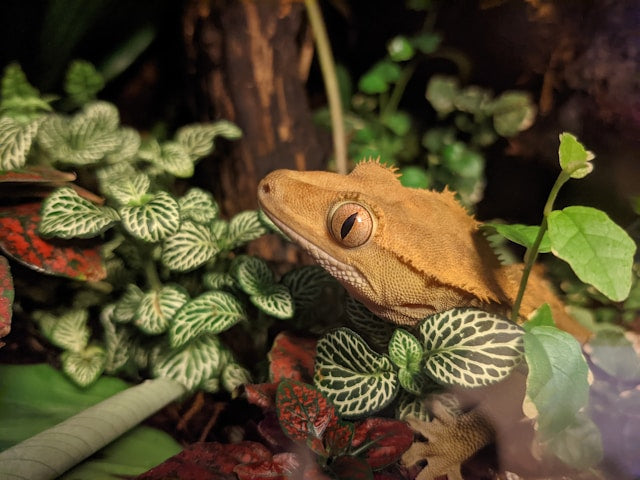
Frilled dragons (Chlamydosaurus kingii) are one of Australia’s curious animals, fast, agile climbers with a distinctive frill that’s built for drama. In the wild, their behaviour and habitat use are shaped by a seasonal tropical environment, and that shows up in captivity too: give them height, cover, and the right routine, and you’ll see more calm exploration and fewer “hands-off” moments.
The Iconic Frill and Threat Display
Frilled dragons are a majestic species from Australia who are known for their speed, ability to climb and large frills. When threatened the frilled dragon can rear up on 2 legs, using their tail for balance, and sprint away from the danger. If they feel they can’t get away or have just had enough of their owner they might be inclined to flap out their large frills, open their mouth and hiss in an impressive threat display. In captivity, these dragons are rarely threatened enough to frill but it is very exciting to see and is reminiscent of the dilophosaurus scene in Jurassic Park. Tchad woke the Northampton Reptile Centre’s frilled dragon up for this photoshoot…
He was not impressed

Enclosure Style: Height, Branches, and Humidity
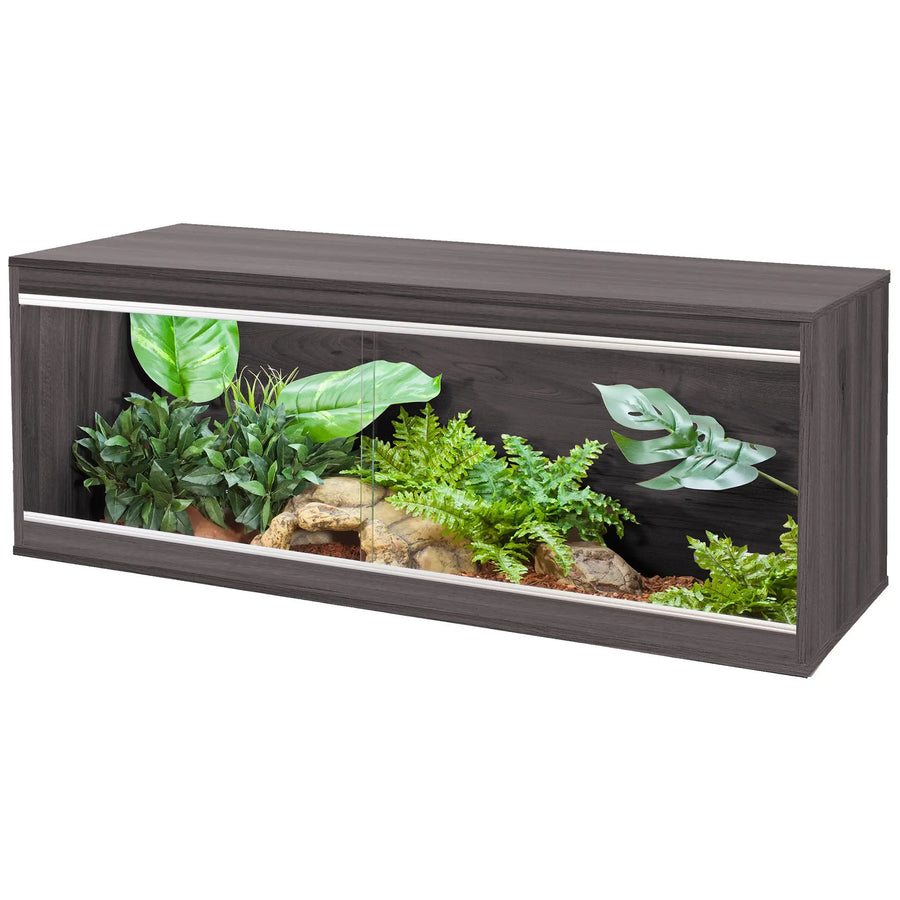
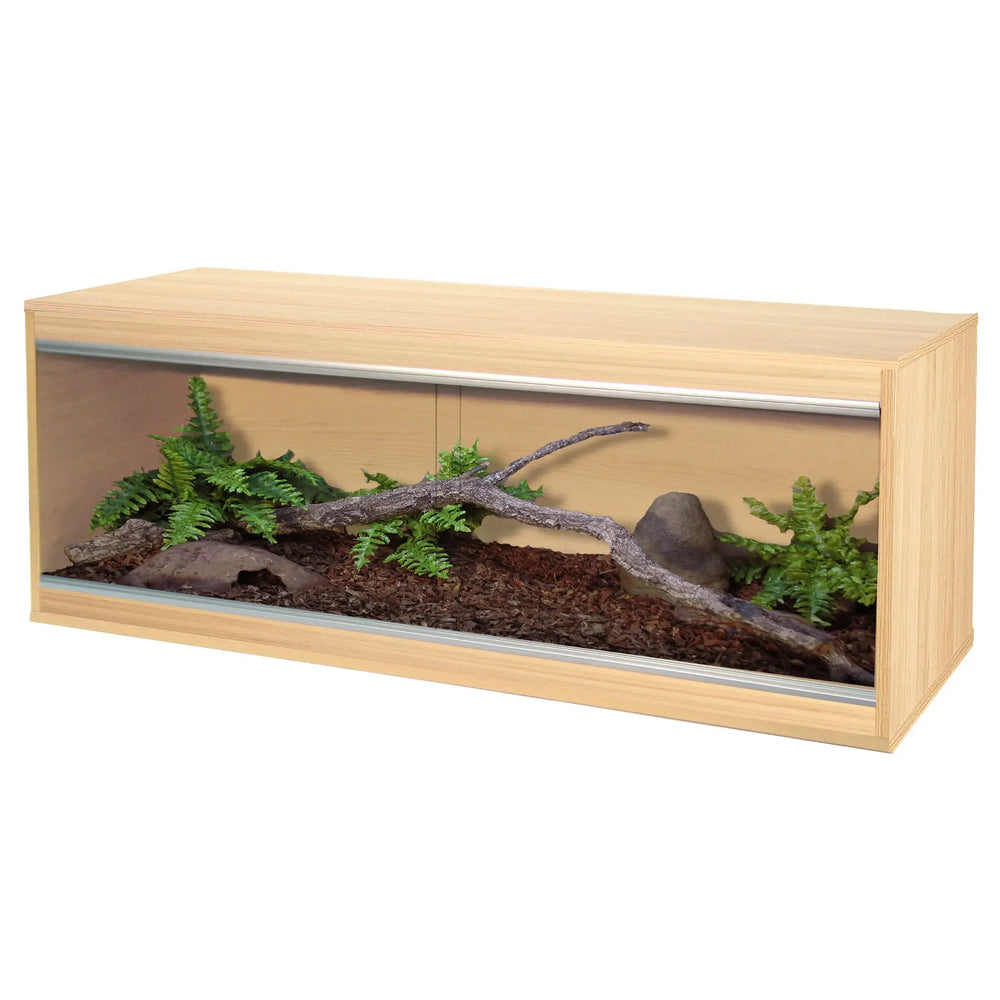
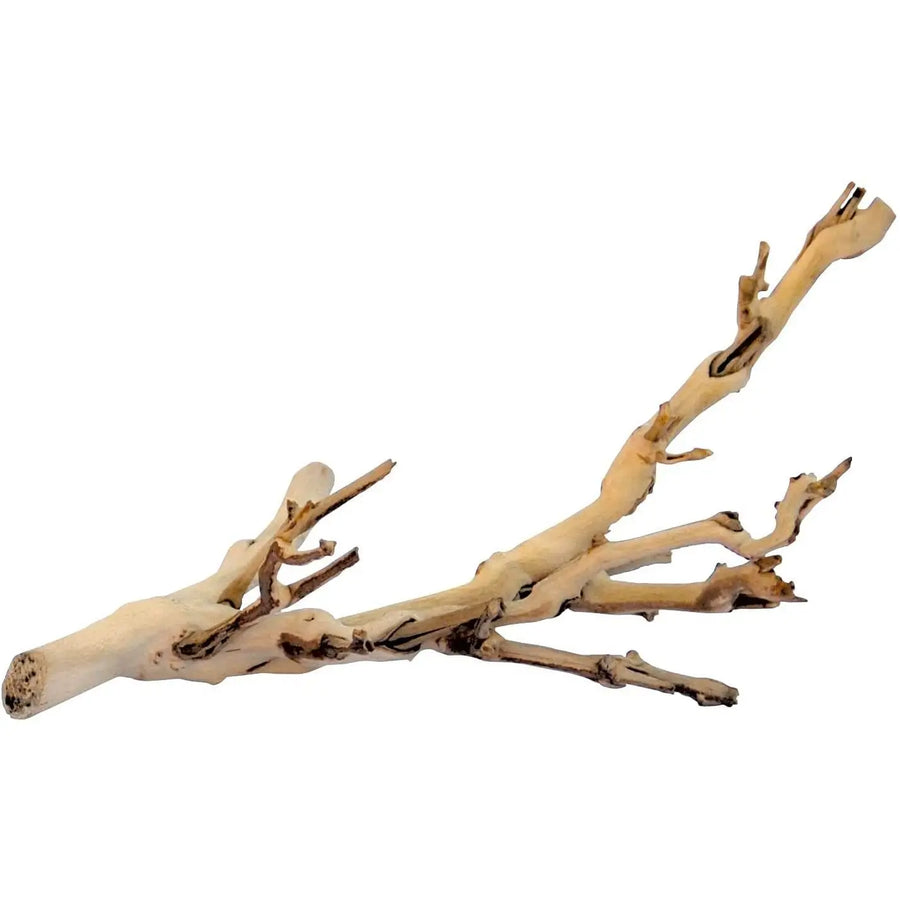
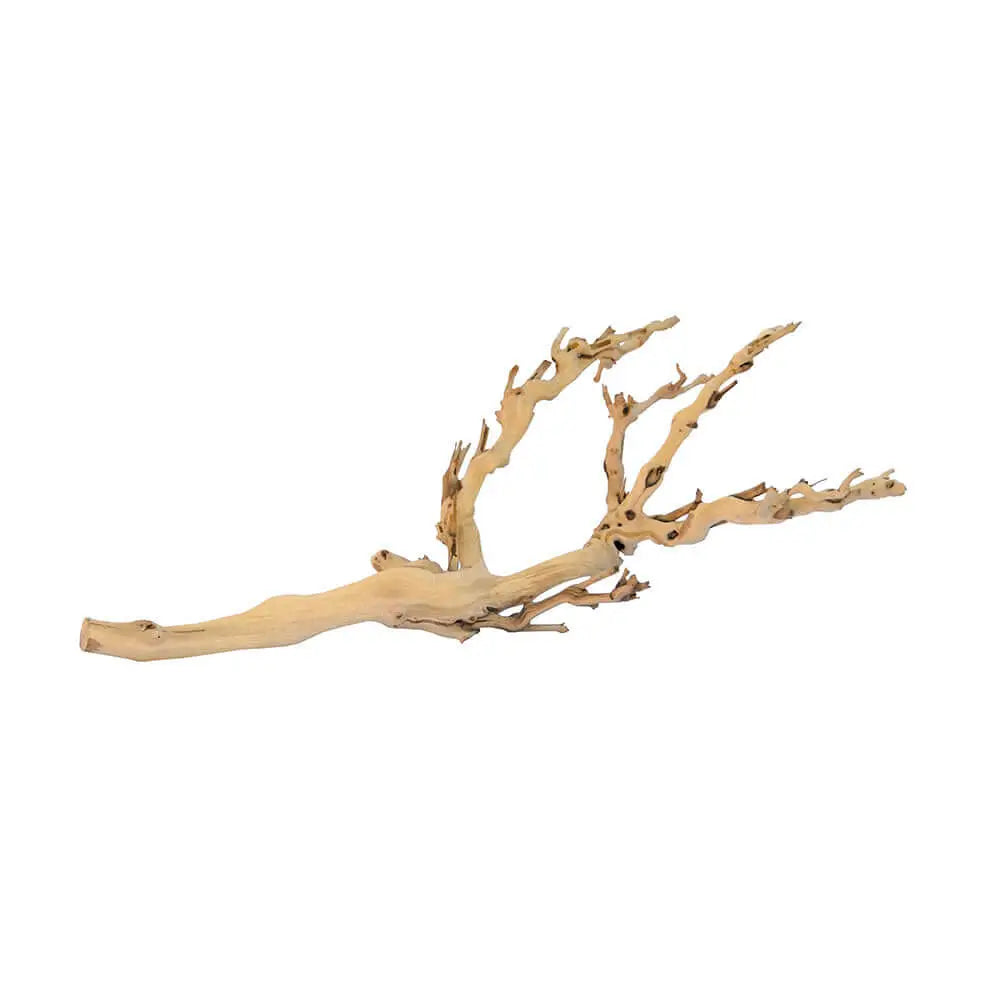
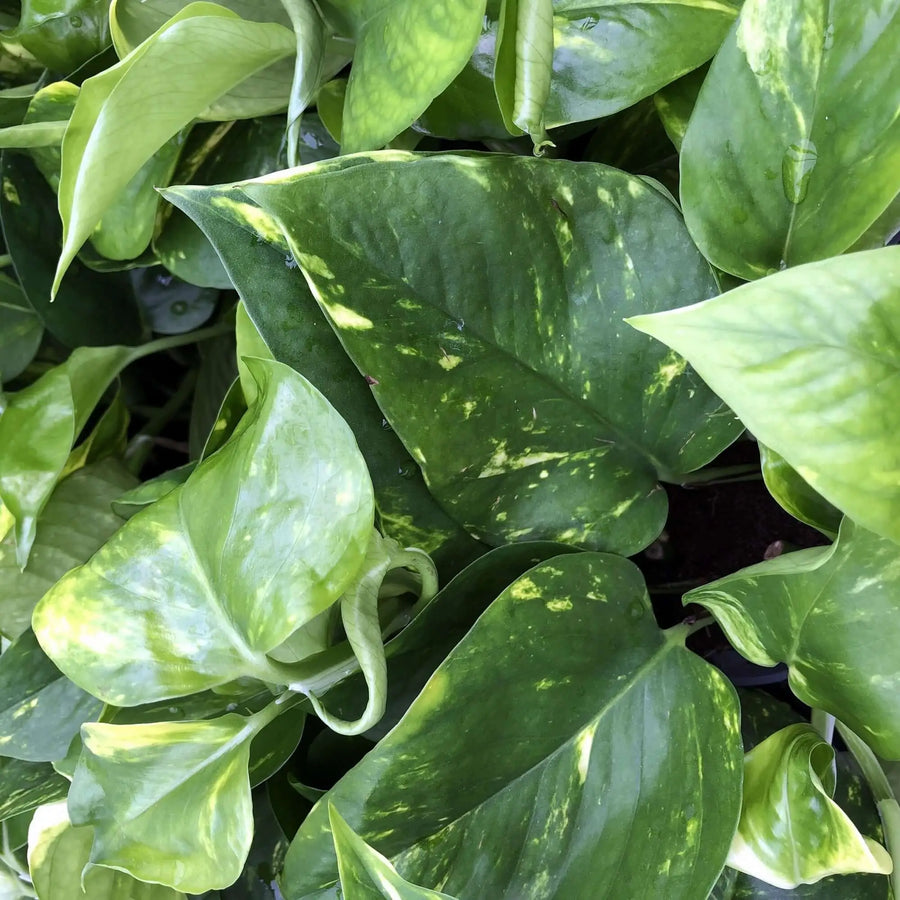
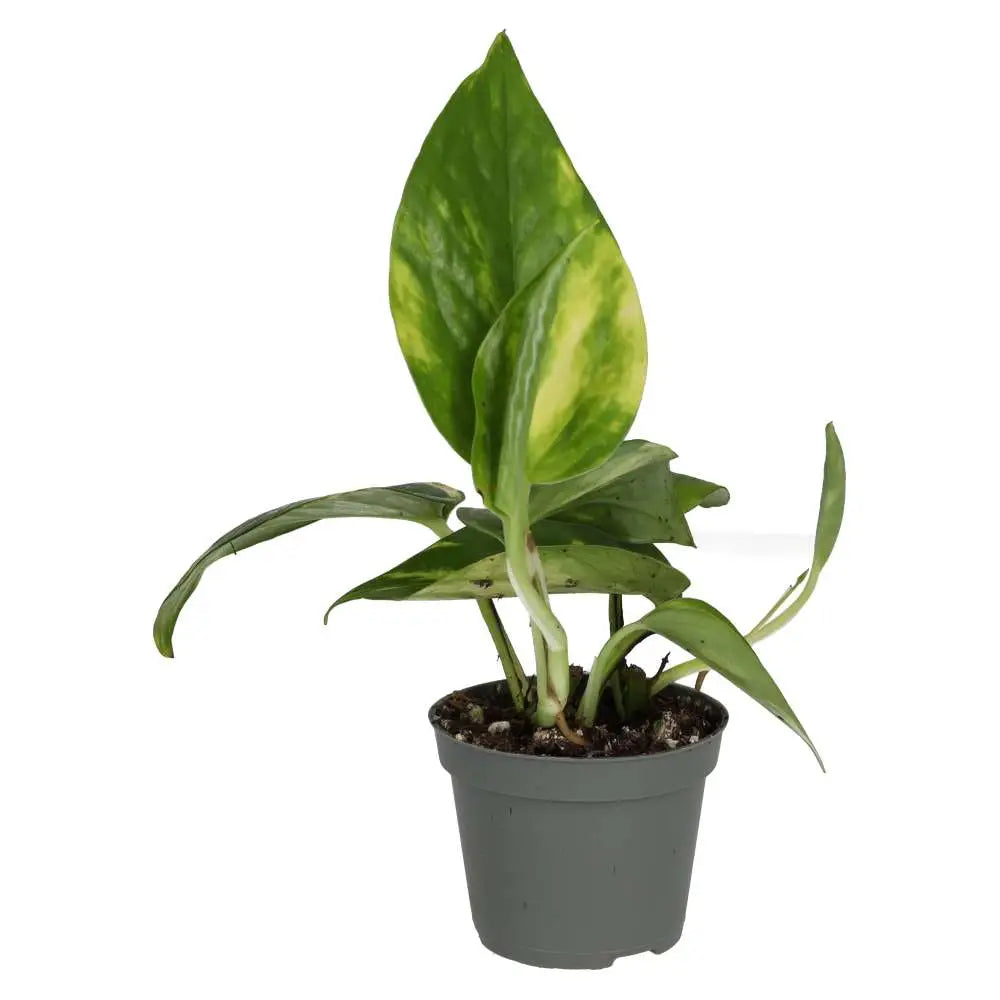
They thrive in similar conditions to a bearded dragon but would appreciate much more height for climbing and a bit more humidity during the day. We have found that troncho and oak branches are brilliant for their enclosures as they will absorb moisture in the morning spray while providing sturdy basking platforms and climbing apparatus for the dragons. For bedding, we tend to use coarse orchid bark but you could use a loose soil and moss bedding if you prefer. Frilled dragons take to bioactive enclosures really well and would do well in a planted enclosure.
Temperament and Handling Expectations
Generally, frilled dragons are kept solitary as the males will fight but they don’t require much company. As with other water dragons, they are quicker and tend to be less comfortable with handling but with time and experience, this behaviour can be tamed out. Overall they make an amazing pet for an intermediate or experienced keeper.
Don’t worry, he calmed down after a couple of minutes

Frilled Dragon Care Snapshot
-
Go tall, not wide: A frilled lizard (Chlamydosaurus kingii) uses height and branches, so prioritise vertical space with sturdy climbing routes and secure perches.
-
Set a clear basking gradient: Create a warm basking area with cooler zones to retreat to, so your frill necked lizard can self-regulate comfortably.
-
Humidity with ventilation: They appreciate a bit more daytime humidity than many arid lizards, but avoid a constantly damp setup, because fresh airflow matters.
-
Build in cover and retreats: Foliage and hides help them feel secure and reduce stress (so you’re less likely to see a full threat display).
-
House singly: Treat them as solitary, especially male lizards, as they can be territorial and prone to fighting.
Wrapping Up
Frilled dragons (Chlamydosaurus kingii) are an iconic Australian frillneck lizard from northern Australia and parts of southern New Guinea, and their personality makes them a standout among pet lizards. Give them height, sturdy branches, and the right day-to-day conditions, and you’ll see natural behaviours like climbing, quick bursts of speed on their hind legs, and (occasionally) that famous threat display when they feel pushed. Because wild frilled dragons face habitat pressures in places, it’s always best to choose captive bred lizards and keep handling calm and consistent.
Set them up well, and they’ll reward you with one of the most impressive reptile displays in the hobby. If you have any questions about these lizards or if there is anything else we can help with please email us at sales@reptilecentre.com.
Frequently Asked Questions
Do frilled dragons actually “frill” in captivity?
They can, but it’s usually a threat display rather than a party trick. In a settled setup, most frilled dragons keep the neck frill folded and only flare it if they feel cornered, startled, or over-handled.
Do frilled dragons need more height than a bearded dragon?
Yes, they’re an arboreal lizard by nature and love using branches and vertical space. A taller enclosure helps them climb, perch, and feel secure, which often improves confidence and day-to-day behaviour.
What should I expect from their temperament and handling?
They’re quick, alert, and not always keen on hands-on time at first. Consistent routine, calm approach, and letting them choose to come closer (rather than being grabbed) usually works better than frequent handling.
What’s the biggest beginner mistake?
Treating them like a low-climbing lizard; they need height, sturdy branches, and calm handling expectations.